
Emergency Call Bell Systems
Instant assistance when it matters most. Zero wiring, zero IT infrastructure dependencies, and absolute uptime.
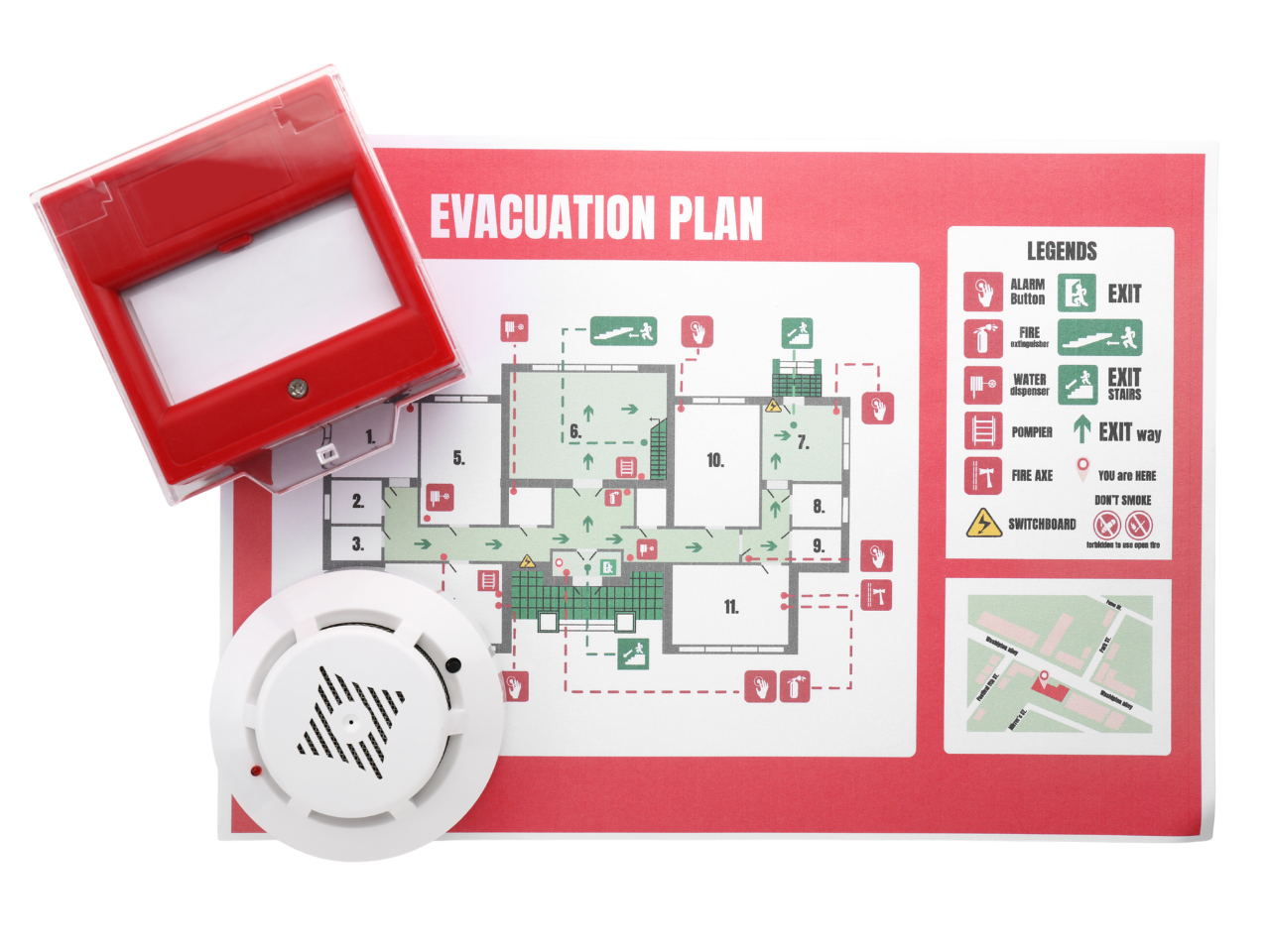
Some situations cannot wait for someone to notice.
A person in distress in an isolated toilet block. A student who needs help and cannot raise their voice. A wheelchair user who has fallen and cannot reach a door, let alone walk to find someone. An employee facing a threatening situation at a reception desk. In all of these moments, the only thing that matters is how quickly help arrives — and in most buildings today, there is no reliable way to make that happen.
The usual fallback is shouting, or waiting for someone to walk past. Neither is acceptable when safety is at stake. This gap shows up in several settings, each with its own urgency:
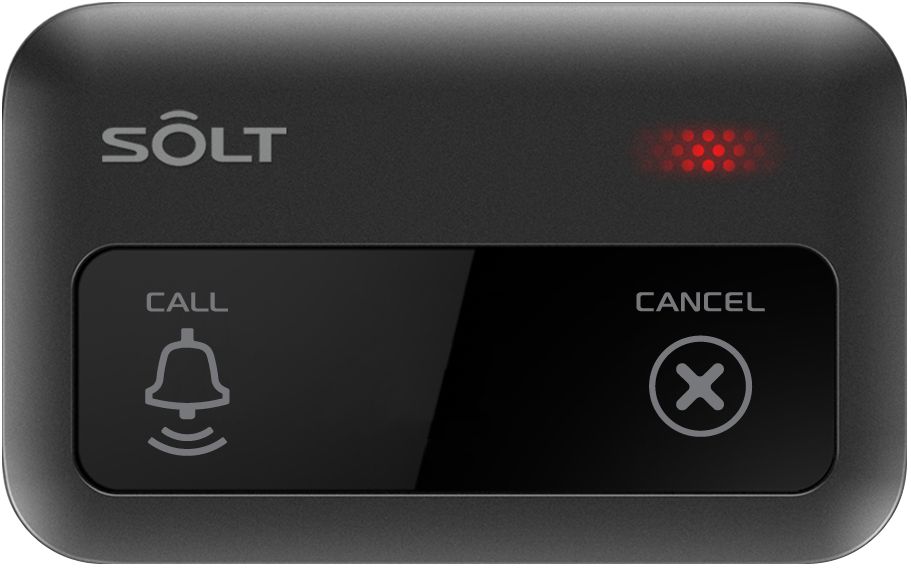
Girls' Toilets in Schools & Colleges
Isolated toilet blocks, often at the end of a corridor or in a separate building, are exactly the kind of space where a student needs a fast, private way to call for help, without anyone outside hearing or seeing them do it.
Accessible Toilets for the Differently Abled
A fall, a medical episode or simply being unable to open a door independently can leave a person stranded with no way to alert anyone, in a space specifically meant to support their independence.
Offices & Reception Areas
A panic button under a desk or at a reception counter allows staff facing a threatening or unsafe situation to alert security or colleagues without escalating the situation further.
Public Buildings & Malls
Isolated stairwells, basement parking and unsupervised public toilets are common locations where help may be needed but is not nearby.
Hostels & Residential Institutions
Common areas, isolated wings and night-time corridors benefit from a quick way for a resident to call for assistance.
Banks & Financial Institutions
Teller counters and cash handling areas often require a discreet way to alert security during a robbery or threatening situation, without alerting the person causing the threat.
Factories & Industrial Sites
Isolated machine areas, storage yards and loading docks where an accident could happen far from where anyone would notice quickly.
In nearly every one of these cases, the building has fire alarms and security cameras — but no way for an individual, in a specific moment of need, to summon help directly and immediately. That is precisely the gap an emergency call system is built to close. It is also, in many of these settings, a requirement under accessibility and workplace safety regulations, not simply good practice.
Wireless Emergency & Panic Button Systems
Rincon India brings you SOLT's wireless emergency call and panic button system from South Korea — built specifically for the moments when a fast, discreet alert genuinely matters.

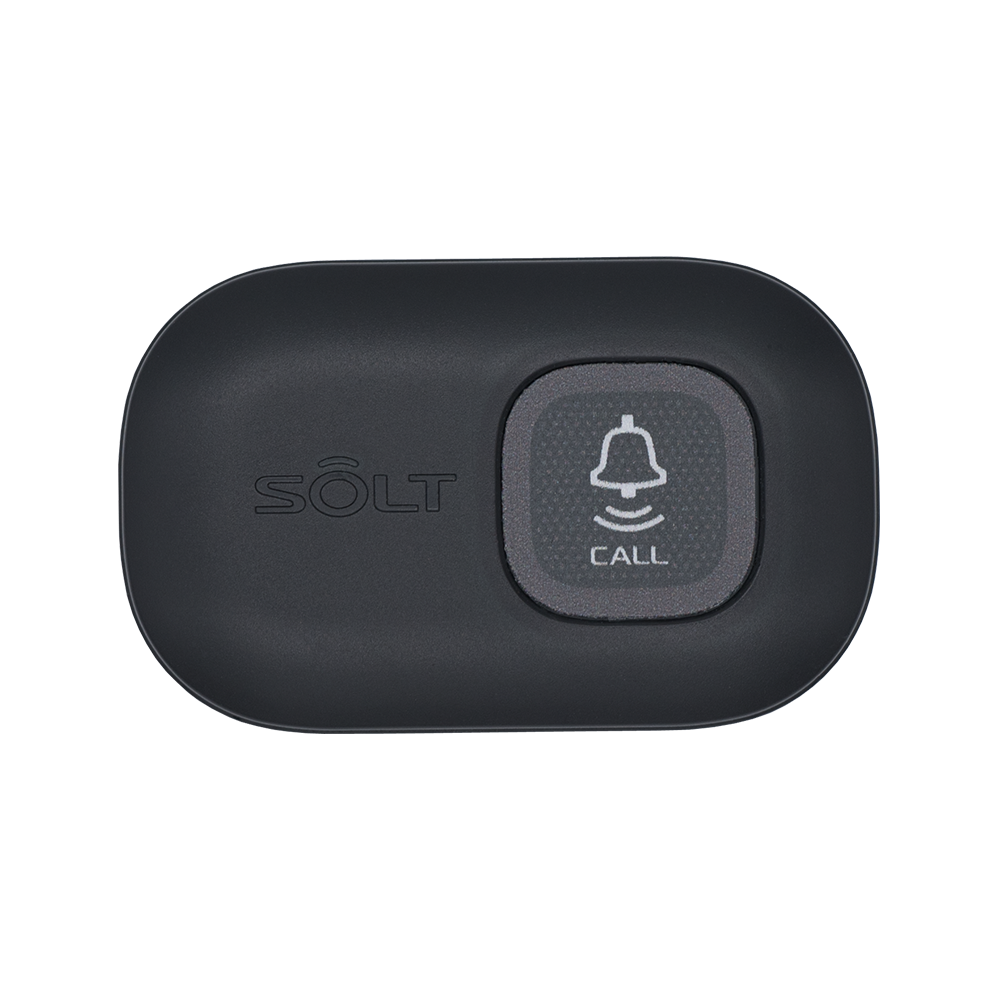
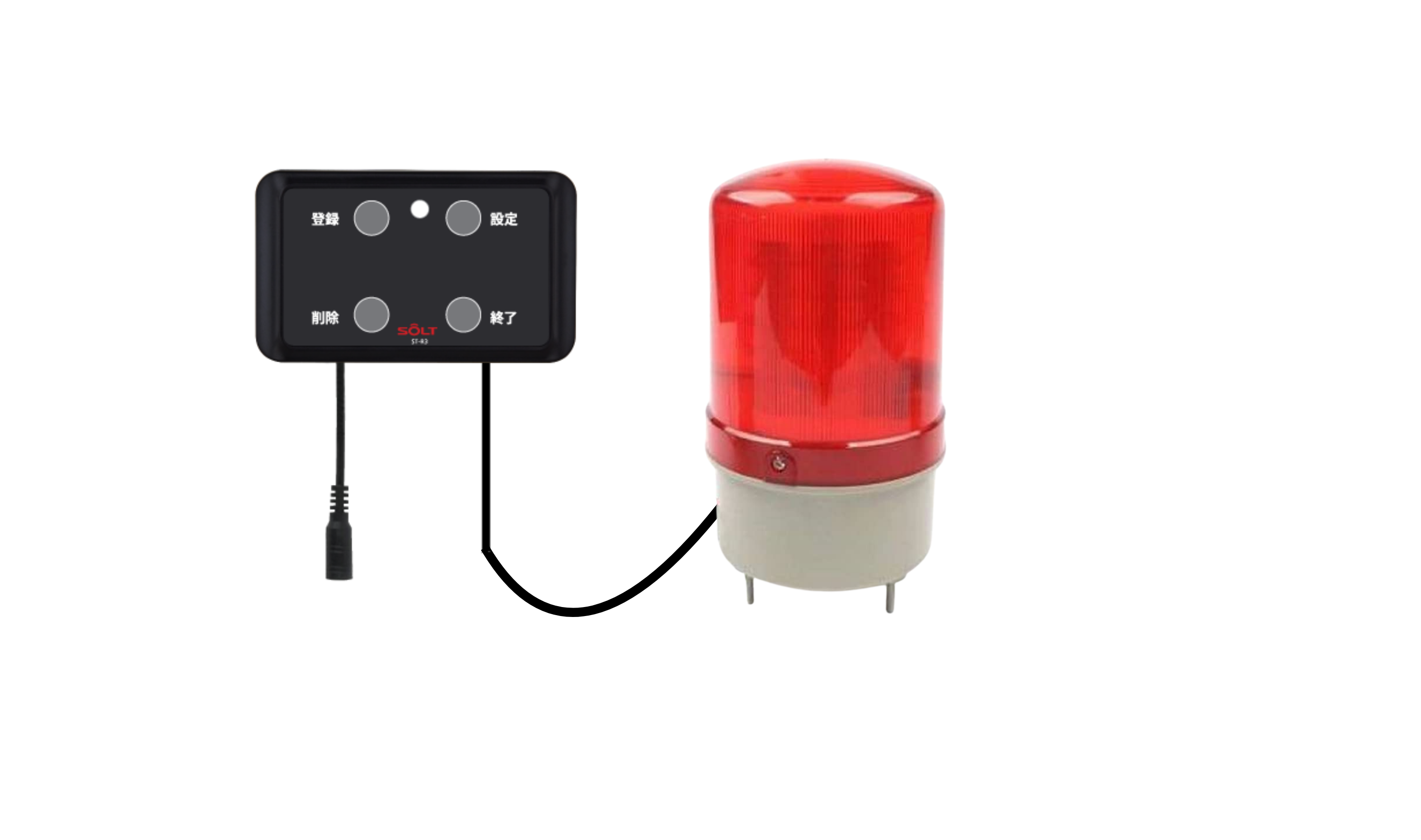
How It Works?
Activate Call Point
A person activates the call point — a pull-cord, a push button or a discreet panic button — in a moment of need
RF Signal Transmission
The signal transmits instantly over 433 MHz RF — no Wi-Fi, no SIM card and no dependency on building network infrastructure
Display Location
A receiver at the security desk, reception or designated monitoring point displays exactly which location triggered the alert
Immediate Response
Staff or security respond immediately, with the exact location known from the first second
Why SOLT?
Instant and unambiguous
There is no delay and no need to explain the situation verbally. One press sends the alert.
Works where it matters most
Isolated toilet blocks, basements and stairwells are often exactly where Wi-Fi signal is weakest. RF-based alerts work reliably in precisely these locations.
Discreet activation
Call points can be positioned so that activating them does not draw attention from anyone nearby, which matters enormously in sensitive situations.
Built to be tamper-resistant and durable
Designed for high-traffic public spaces and constant availability, not occasional or decorative use.
No infrastructure disruption
No drilling through walls, no rewiring, which means it can be retrofitted into existing buildings, schools and offices without disrupting daily activity.
Clear location identification
The responding staff member knows precisely where the alert originated, removing any delay caused by searching for the source.
Supports Compliance and Duty of Care
Many of these settings carry a specific legal or regulatory expectation around emergency call provisions — accessible toilets, workplace safety norms and institutional safeguarding policies among them. A documented, functioning emergency call system is part of meeting that duty of care, not simply an added convenience.
International Standard Certifications




Any Questions? We Have Answers
See it in action before you decide.
Every building has different areas of risk and different layouts. The best way to evaluate this is to see the system working and talk through your specific requirements directly with our team.
Book a call or a web session at a time that suits you. We will walk you through how the system works, answer your questions and understand your facility's specific needs, so we can recommend the right configuration.
Call +91 9321064487 or email sales@rincon.co.in